


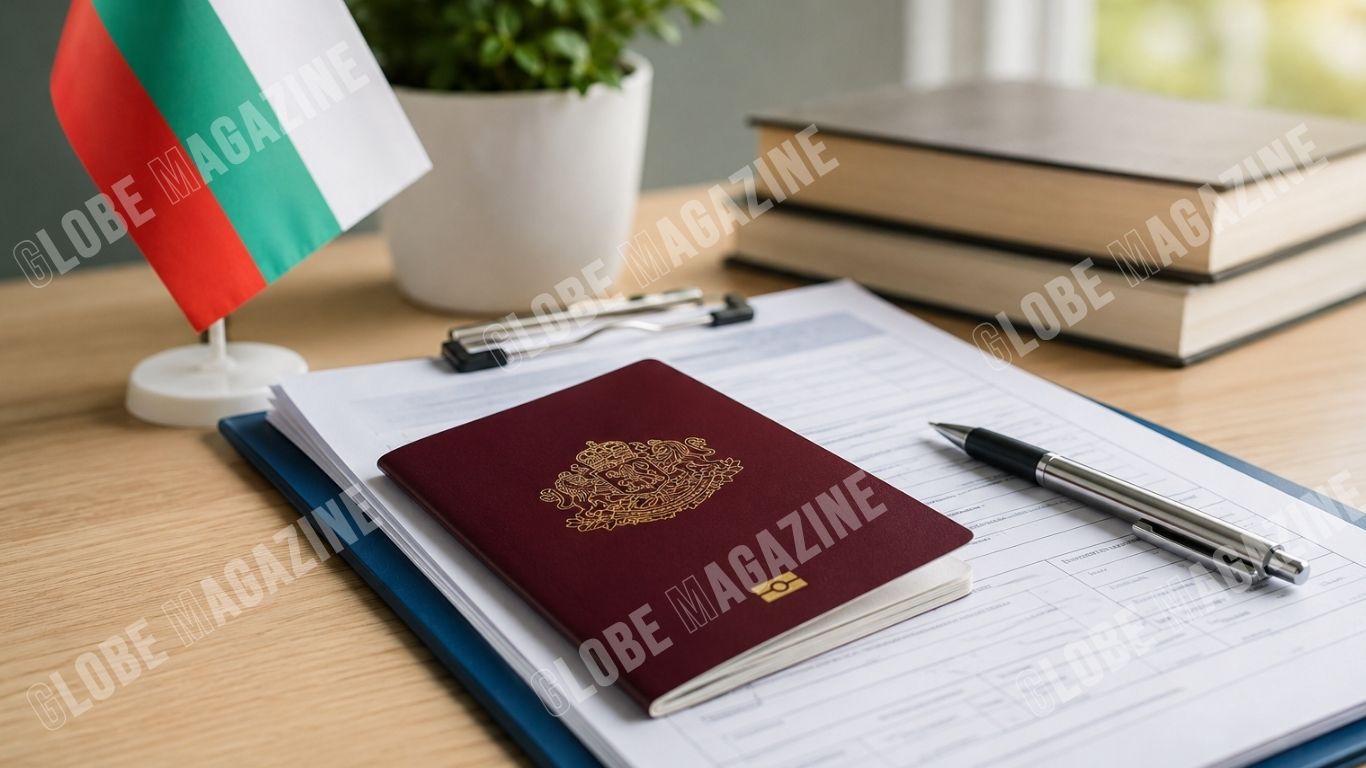
Prasanja za Bugarski Pasos is a phrase many applicants search when they want to prepare for Bulgarian passport or citizenship related questions. For many people, the process feels confusing at first because it may involve documents, family history, personal details, and sometimes an interview style check. That is why preparation matters. When you understand what can be asked and how to answer clearly, the whole process becomes easier to handle.
This guide explains the meaning, purpose, common questions, preparation tips, mistakes to avoid, and a useful checklist for 2026 applicants. It is written in simple language so first time applicants can understand what to expect. It does not replace official advice, but it can help you organise your thoughts before you attend an appointment or prepare your papers.
What Does Prasanja za Bugarski Pasos Mean?
The phrase means “questions for a Bulgarian passport.” In many online searches, it is linked with the questions applicants may face when preparing for a Bulgarian passport or citizenship process. The word “prasanja” means questions, “Bugarski” means Bulgarian, and “pasos” means passport. So the full phrase is mainly used by people who want to know what they may be asked before, during, or after submitting their application.
In real terms, these questions are not always only about the passport itself. A passport is usually connected to citizenship status, identity, and legal documents. That is why applicants may need to answer questions about their personal background, family records, origin, documents, and reason for applying. The goal is usually to make sure the information provided is correct and consistent.
Why This Topic Matters for 2026 Applicants
Applicants in 2026 need to be more careful because official processes can change, document standards can be updated, and missing information can delay an application. Many people fail to prepare because they think the process is only about submitting papers. In reality, clear answers and organised records can make a big difference, especially when officials need to confirm identity, ancestry, or eligibility.
Preparing for Prasanja za Bugarski Pasos helps applicants avoid confusion. It gives them a simple way to review important details before the appointment. A person who knows their dates, family names, birthplace details, and document history is more likely to answer with confidence. This does not mean memorising fake answers. It means understanding your own information and making sure it matches your documents.
Who Usually Searches for These Questions?
The people searching for this topic are often applicants who want a Bulgarian passport through family origin, citizenship, or another legal route. Some may have parents or grandparents connected to Bulgaria. Others may already be in the middle of a citizenship process and want to prepare for the interview or document review stage. Many are simply trying to understand what kind of questions can appear.
This topic is also useful for families helping older relatives or younger applicants organise their papers. Sometimes one family member collects the records, while another person attends the appointment. In such cases, everyone involved should understand the basic information. Good preparation reduces stress and helps applicants avoid giving mixed or incomplete answers.
Bulgarian Passport vs Bulgarian Citizenship
A Bulgarian passport is a travel document issued to Bulgarian citizens. Citizenship is the legal status that gives a person the right to that passport. This difference is important because some people think they are applying directly for a passport, while the real process may first involve proving citizenship, acquiring citizenship, or confirming eligibility through the correct legal route.
For most applicants, the passport is the final goal, but the background process can be more detailed. Officials may need to check who you are, where your family comes from, and whether your documents support your claim. Understanding this difference helps applicants prepare better. It also prevents the mistake of focusing only on passport questions while ignoring citizenship related requirements.
Common Interview Topics Applicants Should Prepare
Most questions are usually simple, but they require clear and correct answers. Applicants may be asked about their full name, date of birth, place of birth, current address, parents’ names, marital status, education, job, and family background. These details should match the documents submitted with the application. Even small spelling differences can create confusion.
Applicants may also be asked why they are applying, what connection they have with Bulgaria, and which documents they submitted. The purpose is not to scare the applicant. It is to confirm that the application is genuine and that the person understands the information in their file. A calm and honest answer is usually better than a long and unclear explanation.
Personal Background Questions
Personal background questions are usually the easiest, but many applicants still make mistakes because they do not review their own documents. You may need to confirm your full legal name, previous names, date of birth, birthplace, nationality, current address, profession, and family status. The answer should be simple and should not conflict with your passport, birth certificate, ID card, or application form.
It is helpful to prepare a short personal summary before the appointment. Write down your basic details, important dates, and any name spelling used in official records. This is especially important if your documents are translated from another language. If a name appears differently in different papers, you should be ready to explain it clearly and calmly.
Family Origin and Ancestry Questions
Some applicants may be asked about family origin, especially if their route is connected to ancestry or Bulgarian roots. These questions may include details about parents, grandparents, birthplaces, old family records, marriage certificates, and changes in names. The purpose is to understand the family line and confirm whether the submitted records support the application.
This part can be difficult when family documents are old, damaged, or written in another language. Applicants should collect clear copies, check dates, and understand the relationship between each document. For example, if you are using a grandparent’s record, you should know how that record connects to your parent and then to you. A simple family tree can help you explain this clearly.
Documents and Application Details
Documents are one of the most important parts of the process. Applicants may need to prepare identity papers, birth records, family certificates, translations, legalised copies, appointment confirmations, and application forms. The exact documents depend on the applicant’s route, so it is always best to check official instructions before submission.
A common mistake is submitting documents without understanding them. You should know what each document proves and why it is included in your file. If an officer asks about a certificate, you should be able to explain it in plain words. Good document organisation also helps you avoid panic during the appointment. Keep papers in order, use labels if needed, and carry copies where allowed.
10 Benefits of Preparing Properly
Proper preparation gives applicants many practical benefits. First, it reduces stress because you know what to expect. Second, it helps you answer more clearly. Third, it makes it easier to find the right document when needed. Fourth, it reduces the chance of mistakes in names, dates, and places. Fifth, it helps you explain your family background with confidence.
Sixth, preparation saves time during appointments. Seventh, it helps you notice missing documents earlier. Eighth, it improves consistency between your answers and your paperwork. Ninth, it helps family members understand the process together. Tenth, it makes the overall experience less confusing. These benefits do not guarantee approval, but they can make the process smoother and more organised.
How to Prepare for Prasanja za Bugarski Pasos Questions
Start by reading your application form and checking every detail against your documents. Review your full name, date of birth, parents’ names, grandparents’ names, addresses, and important family dates. If you are applying through origin, create a simple family line on paper. This helps you remember how each person connects to the next.
Next, practise short answers. Do not over explain unless you are asked for more details. Your answers should be honest, direct, and easy to understand. Keep all documents in one folder and arrange them in a logical order. If translations are included, place them near the original documents. Before the appointment, check that nothing is missing and that all copies are readable.
Common Mistakes Applicants Should Avoid
One major mistake is relying only on online comments or unofficial advice. Every case can be different, and official rules should always be checked. Another mistake is giving answers that do not match the submitted papers. Even if the mistake is accidental, it can create doubt or delay. Applicants should review their file carefully before attending any interview or appointment.
Other common mistakes include forgetting important dates, bringing incomplete documents, using poor translations, ignoring spelling differences, and giving long answers that create confusion. Some applicants also wait until the last day to prepare. A better approach is to check everything early, ask for professional help when needed, and keep a calm mindset throughout the process.
Helpful Checklist Before the Interview
Before the appointment, prepare a simple checklist. Include your valid identity document, birth certificate, family records, application forms, translated documents, legalised copies if required, appointment confirmation, contact information, and any reference numbers. Also keep personal notes with key dates, family names, and document explanations.
You should also check the condition of your papers. Make sure copies are clear, names are readable, and translations are attached correctly. Keep your phone charged, arrive early, and dress neatly. These small steps show that you are serious and organised. A checklist cannot replace official requirements, but it can help you avoid common preparation problems.
Conclusion
Prasanja za Bugarski Pasos is an important topic for anyone preparing for Bulgarian passport or citizenship related questions in 2026. The process can feel stressful, but it becomes easier when you understand the meaning, review your personal details, organise your documents, and prepare honest answers. Good preparation helps you stay calm and avoid simple mistakes.
Remember that every applicant’s situation can be different. Your family history, documents, and legal route may not be the same as another person’s case. Use this guide as a preparation tool, but always check official sources or qualified advice before making decisions. Clear documents, honest answers, and careful planning are the best starting points.
FAQs
What is Prasanja za Bugarski Pasos?
Prasanja za Bugarski Pasos means questions for a Bulgarian passport. It usually refers to the questions applicants may prepare for during a Bulgarian passport or citizenship related process.
Are the questions difficult?
Most questions are not difficult if your documents are correct and you know your own details. The main challenge is staying consistent with names, dates, family records, and application information.
Should I memorise answers?
No. You should understand your information instead of memorising fake or copied answers. Honest, simple, and clear replies are better than rehearsed answers that sound confusing.
What documents should I review?
Review your identity document, birth certificate, family records, translations, application forms, appointment details, and any papers linked to your citizenship or passport route.
Can this guide replace official advice?
No. This guide is for general preparation only. Applicants should always check official requirements or speak with a qualified professional when they need case specific guidance.
